Athletics & Recreation
Purpose
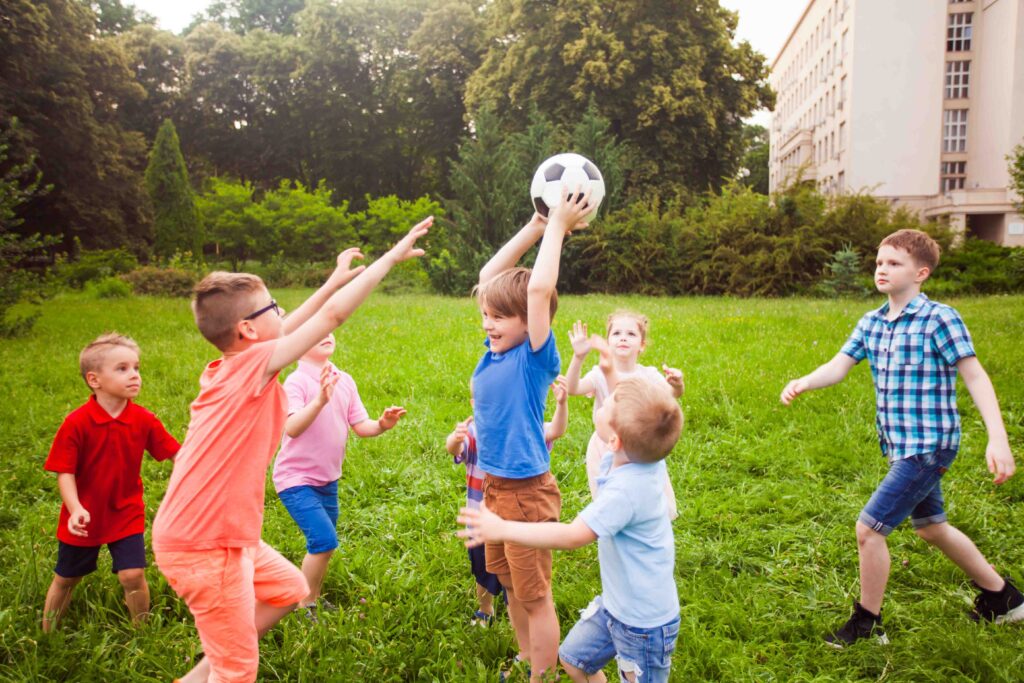
Playing an individual or team sport is a great way to exercise, learn a new skill, and engage in competition and connection with others! Recreation and Athletics are both important parts of Community Education programs and an essential service for participants of all ages.
While similar in some ways, the two are different:
Recreation: Consists of an activity or experience for enjoyment. It is carried on in an individual’s leisure time and has no work connections. When carried out as part of organized community services, recreation is designed to meet constructive and socially worthwhile goals of the individual participant, the group and society at large.
Athletics/Sports: Should be limited to team games or team organizations such as elementary basketball, adult volleyball league, etc. Includes (a) activities/classes to teach basic level skills and (b) activities/classes to develop individual athletic abilities. Community Education is often asked to oversee Middle School(MS)/Junior High (JH) Sports that had been traditionally overseen by MS/JH Activity Directors.
Instructors
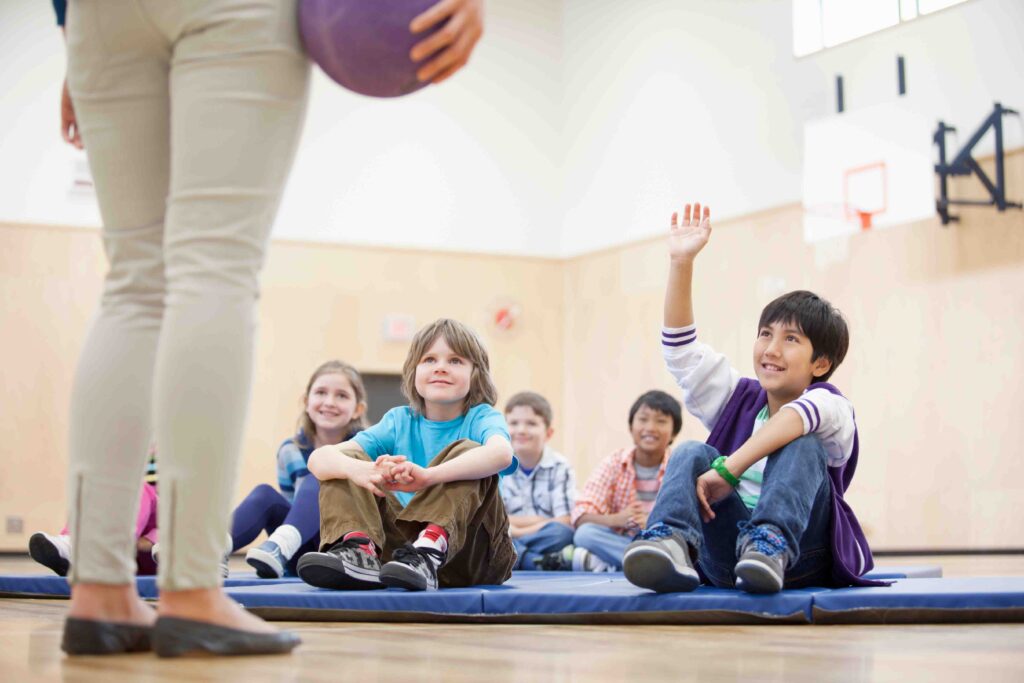
Youth enrichment instructors do not need to be licensed teachers. Instructors can be individuals who want to share their passions and skills with youth. There are also many companies that offer enrichment classes; these companies, or vendors, make up a large part of youth enrichment offerings in many Minnesota communities.

Vendors vs. Employees
Instructors for youth enrichment classes often work for companies (vendors) who provide after-school classes. When considering working with a vendor, it’s important to have an understanding of the cost, curriculum, instructor experience, and overall quality of the offered classes. It is also critical when partnering with a vendor to address several other important topics, including:
- Background checks (i.e., who completes the screenings and who will supply payment for screenings).
- School day and community education class dismissal processes.
- Vendor take-homes (i.e., the quality of the take-homes and whether a vendor will be allowed to advertise other services within the take-homes).
- Content expectations and delivery methods.
- Flyer production, printing, payment, and distribution.
- Class observations and evaluations.

Safety
Each district should have its own policy regarding the successful completion of background checks as well as a proven process for the check-in and dismissal of students. Minnesota law requires coaches and official to have a completed Concussion Training certificate on file. Make sure your head coaches or lead instructors have completed a concussion training when working with athletics camps/clinics.

Program Evaluation and Data Analysis
Youth enrichment programs should reflect the current unique needs and trends of your community. Collecting data related to enrollment trends, fees, course offering categories, age/grade levels of participants, etc., is useful to demonstrate the impact and value of Community Education. Data also helps to identify gaps in programming as well as trends unique to your community or population.
Surveys, observations, and participant evaluations or feedback are essential to a Community Education youth program. Feedback and data from these sources should provide a valuable framework to guide any future needed programming adjustments. Different communities utilize various tools to collect this information, based on demographics, resources, and proven effectiveness of certain techniques. Evaluation of programs typically include course location, date and time of completed courses, instructor, content, price or value, and registration process.

Funding
This varies by district. Programs will most likely will be funded by participant fees.
Marketing and Communication
External Marketing to the Community as Potential Participants:
It is imperative to advertise and market Community Education youth programs. Community educators are able to utilize the marketing avenues that are most effective in their communities, which may include a Community Education catalog, website, flyers (electronic and/or paper), email blasts, newspaper (free articles, calendars, or purchased ad space) list servs, social media, school district communications, and more.
Internal Marketing:
It is necessary for the Community Education to market itself as a department that supports the K-12 learning during the school day within a school district and beyond. Helpful ways to increase a Community Education’s presence might include involvement in K-12 committees, social media, providing regular updates on Community Education successes to upper-level administration and the school board, as well as including Community Education information in internal school communications.
Helpful tips for a running a successful program:
Depending on your school size you may have one person doing Athletics and another doing Activities. These people are great resources, they can help you get in touch with the coaches and lead advisors for all of these groups. The coaches and advisors will be great contacts for you to offer youth camps and clinics – everything from the normal sports camps to theater or band camps. Most coaches want to have the ability to work with the youth that will hopefully one day be participating at the High School level. These camps and clinics can also be set up as a way to help the High School groups fundraise – it’s an easy way to be able to get good reliable staff/students to offer camps at a less expensive cost to the premier camps. These are great offerings for week long camps all summer long.
Either have a backup location for bad weather or have a plan in place prior to the camp dates for inclement weather.
Talk with your High School AD’s, the biggest policy to consider is the MSHSL Summer Practice/Camp rules. They’ll be able to help you with this if you are being asked to run the High School’s Summer Camps for the Varsity levels. Otherwise be aware of your District’s Policies, everyone’s are different.
Most of the time waiver’s come into play when working with a Vendor to provide classes or camps. Check with the Vendor that you’ve partnered with to see if they require a signed waiver by the participants. These are common with Horse Camps, Archery Camps, SUP Classes, etc. Double check that your CE Liability covers the type of class that you want to offer. Most normal classes will but as you start getting into new and exciting sports make sure you’re covered – just in case!
Utilize what you have. Most High School Coaches will know what they need/want to run an effective camp. If you are short on green space look at partnering with your City Park & Rec. Department. Make sure you work with your Buildings & Grounds Department and Facilities Coordinator to make sure the space you need is available. We all know construction and field rest days take place in the summer as well as gym refinished. Plan ahead! It’ll save you plenty of headaches.